Thinking about buying a multi-family on Providence’s East Side? It can be a smart move, but it is not always the easy cash-flow story buyers imagine. You are often balancing a premium purchase price, older housing stock, limited inventory, and the lifestyle appeal that makes this part of Providence so desirable. This guide will help you understand what to expect, what to look for, and how to think about the numbers before you make a move. Let’s dive in.
What Counts as Providence’s East Side
When people talk about Providence’s East Side, they are usually referring to a group of neighborhoods rather than one single district. Commonly included areas are College Hill, Thayer Street, Fox Point, Wayland Square, Mount Hope, Blackstone, and Hope.
That matters when you are shopping for a multi-family because each area can feel a little different in terms of housing stock, street patterns, and price points. Still, they share a broader East Side identity that is tied to historic character, strong location appeal, and close access to major colleges and city amenities.
Why East Side Multi-Families Draw Buyers
The East Side remains one of Providence’s premium markets. Recent market data shows East Side prices running well above Providence overall, with median listing and sale prices significantly higher than citywide numbers.
At the same time, rents are not dramatically higher than the broader Providence median. That creates an important dynamic for buyers. You are often paying much more to buy on the East Side without getting a matching jump in rent.
For many buyers, the appeal is not just monthly income. It is also the chance to live in a well-located neighborhood, offset part of your housing cost, and own property in an area that has long held strong demand.
Expect Scarcity, Not Bargains
One of the biggest things to understand is that East Side multi-family inventory is relatively limited. Providence planning data shows that East Side subareas have a lower concentration of two- and three-family homes than some south and west-side neighborhoods.
In practical terms, that means you should expect fewer options and more competition when a good property comes to market. If you are hoping to find a classic bargain triple-decker at a low price, the East Side may feel frustrating.
Buyers who choose this area are often accepting thinner inventory and scarcer opportunities in exchange for location, historic housing stock, and long-term appeal. That tradeoff is central to the East Side multi-family decision.
What East Side Multi-Family Homes Look Like
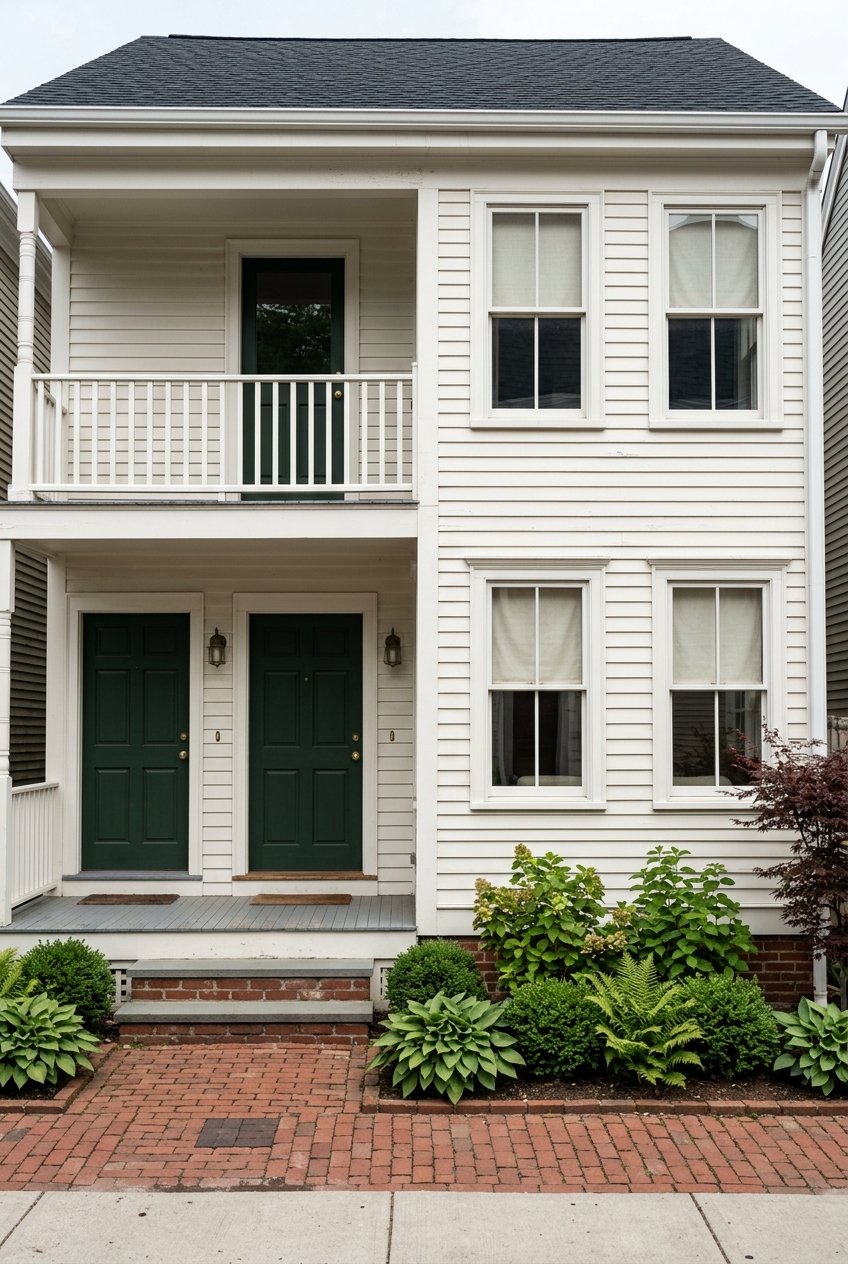
On the East Side, multi-family opportunities are often not large apartment buildings. Instead, you are more likely to see older houses that have been converted over time, mixed historic properties, triple-deckers in certain pockets, townhouses, and other varied building types.
That variety can be a real advantage if you value charm and flexibility. It can also make comparisons harder. Two properties with the same number of units may differ a lot in layout, condition, updates, and future maintenance needs.
Older-house conversions deserve extra attention because the way the space functions may not be as straightforward as in a more purpose-built rental property. Unit flow, storage, separate utilities, basement condition, and exterior upkeep all matter.
Why the Numbers Work Differently Here
If you are buying a multi-family on Providence’s East Side, it helps to go in with the right mindset. Based on current market numbers, these properties often work better as owner-occupied or long-term appreciation plays than as pure cash-flow investments.
Here is the basic reason: East Side purchase prices are substantially higher than Providence overall, while rents are only roughly in line with the city median. That can make the monthly math tighter than buyers expect.
For some people, that still works beautifully. If you plan to live in one unit and rent the other, the income may help offset your costs while giving you a foothold in a sought-after area. If your goal is maximum units per dollar, though, you will usually find stronger cash-flow potential outside the East Side.
Rental Demand Stays Strong
Even with tighter numbers, the East Side has meaningful rental demand support. College Hill is home to RISD and Brown’s campus is also in College Hill, which keeps this part of the city closely connected to a steady pool of renters looking for housing nearby.
Transit also supports the area. RIPTA’s East Side Tunnel continues to serve an east-west corridor across Providence with direct bus lanes, which helps connect residents to the rest of the city.
Providence has also been recognized as a very active rental market. For you as a buyer, that does not guarantee any one property’s performance, but it does help explain why well-located East Side rentals continue to attract attention.
Older Buildings Need Smarter Due Diligence
Providence has an older housing stock, with a large share of homes built before 1940. That age is part of the city’s appeal, but it also means you should inspect an East Side multi-family with care and patience.
In many cases, the most important issues are not cosmetic. They are the expensive building and system items that can change your budget fast after closing.
Focus on the Building Envelope
Pay close attention to the roof, chimneys, masonry, porches, windows, and exterior materials. On older East Side properties, these components often tell you a lot about deferred maintenance and upcoming costs.
If the property has visible wear outside, there is a good chance you will want a fuller understanding of what repairs or upgrades may be coming. Exterior work on older buildings can be more involved than buyers first assume.
Check Plumbing, Electrical, and Moisture
Inside the building, plumbing and electrical condition deserve close review. So do signs of dampness, basement water issues, and drainage problems around the lot.
These are the kinds of issues that can affect both your living experience and your operating costs. A multi-family can look attractive at first glance, but hidden system work may change the picture quickly.
Keep Lead and Efficiency in Mind
With Providence’s older housing stock, lead-based paint remains a real concern in older homes. Older properties also often need mechanical and energy-efficiency upgrades over time.
That does not mean you should avoid them. It means you should plan for a more detailed evaluation and a realistic repair budget when you are considering a purchase.
Historic Review Can Affect Your Plans
Some East Side properties fall within special review areas. Providence has a College Hill Local Historic District, and parts of Fox Point are covered by an East Side I-195 overlay with special design standards and development review.
This is important if you are thinking beyond the current use of the property. Exterior changes, additions, window and door changes, roofline changes, and certain material updates may be subject to review.
If you are buying a multi-family with plans to renovate or reconfigure, you will want to understand what applies to that specific address early in the process. It is much better to know those limits before you close than after.
Flood and Drainage Questions Matter by Address
Not every East Side block carries the same climate or water concerns. River-adjacent or lower-lying areas, especially in and around Fox Point, may need closer review for flood-zone status and drainage conditions.
Providence has noted that more frequent storms and hotter days are putting stress on older infrastructure. That makes address-level due diligence especially important when you are evaluating a property’s basement, grading, and water-management risks.
Neighborhood reputation is not enough here. Two homes fairly close to each other may have very different drainage or flood-related considerations.
How to Compare East Side Options
When you are comparing East Side multi-families, it helps to look at the whole picture instead of just unit count or asking price.
A strong comparison usually includes:
- Purchase price relative to current rents
- Condition of major systems and exterior components
- Whether the layout works well for owner-occupancy or rentals
- Any historic district or overlay review considerations
- Flood-zone and drainage questions at the address level
- How scarce that property type is in that specific East Side pocket
This kind of side-by-side review can help you avoid overvaluing charm while undervaluing future costs. On the East Side, both matter.
Who This Type of Purchase Fits Best
Buying a multi-family on Providence’s East Side can be a very good fit if you want to live in one unit, build equity over time, and benefit from the area’s long-term demand. It can also make sense if you value historic character and location more than immediate high cash flow.
It may be a less natural fit if your top goal is maximizing rental yield from day one. In that case, neighborhoods with a denser supply of traditional two- and three-family stock may offer more options and different economics.
The key is to be honest about your goal. Are you looking for a home that helps offset your costs, or an investment optimized mainly for monthly return? On the East Side, those are often two different paths.
The Bottom Line on East Side Multi-Families
A multi-family on Providence’s East Side can be a compelling long-term buy, but it usually rewards buyers who understand the tradeoffs. You are often paying for location, scarcity, historic housing stock, and resale appeal as much as for rent potential.
If you go in with a clear plan, realistic expectations, and careful due diligence, this kind of purchase can offer both lifestyle value and financial upside over time. The right property is rarely just about the listing price. It is about how the building, location, and numbers work together for your goals.
If you are weighing East Side options and want steady, local guidance, the Erkkinen Cohen Group can help you think through condition, pricing, neighborhood differences, and whether a specific multi-family truly fits your plan.
FAQs
What neighborhoods are usually considered Providence’s East Side?
- The East Side commonly includes College Hill, Thayer Street, Fox Point, Wayland Square, Mount Hope, Blackstone, and Hope.
Is buying a multi-family on Providence’s East Side good for cash flow?
- Often, East Side multi-families work better as owner-occupied or long-term appreciation plays because purchase prices are much higher than citywide while rents are only roughly in line with Providence’s median.
What should you inspect in an older East Side multi-family?
- Focus closely on the roof, chimneys, masonry, porches, windows, plumbing, electrical, dampness, and basement drainage, since Providence’s housing stock is older and these items can drive major costs.
Do historic rules affect East Side multi-family properties?
- Some properties may fall within the College Hill Local Historic District or the East Side I-195 overlay in parts of Fox Point, which can affect exterior changes and certain renovation plans.
Are flood risks a concern on Providence’s East Side?
- They can be, especially near lower-lying or river-adjacent areas such as parts of Fox Point, so you should verify flood-zone status and drainage at the specific address level.
Why are East Side multi-family homes harder to find?
- Providence planning data shows East Side subareas have a lower concentration of two- and three-family properties than some other parts of the city, which means fewer listings and more scarcity-driven pricing.
