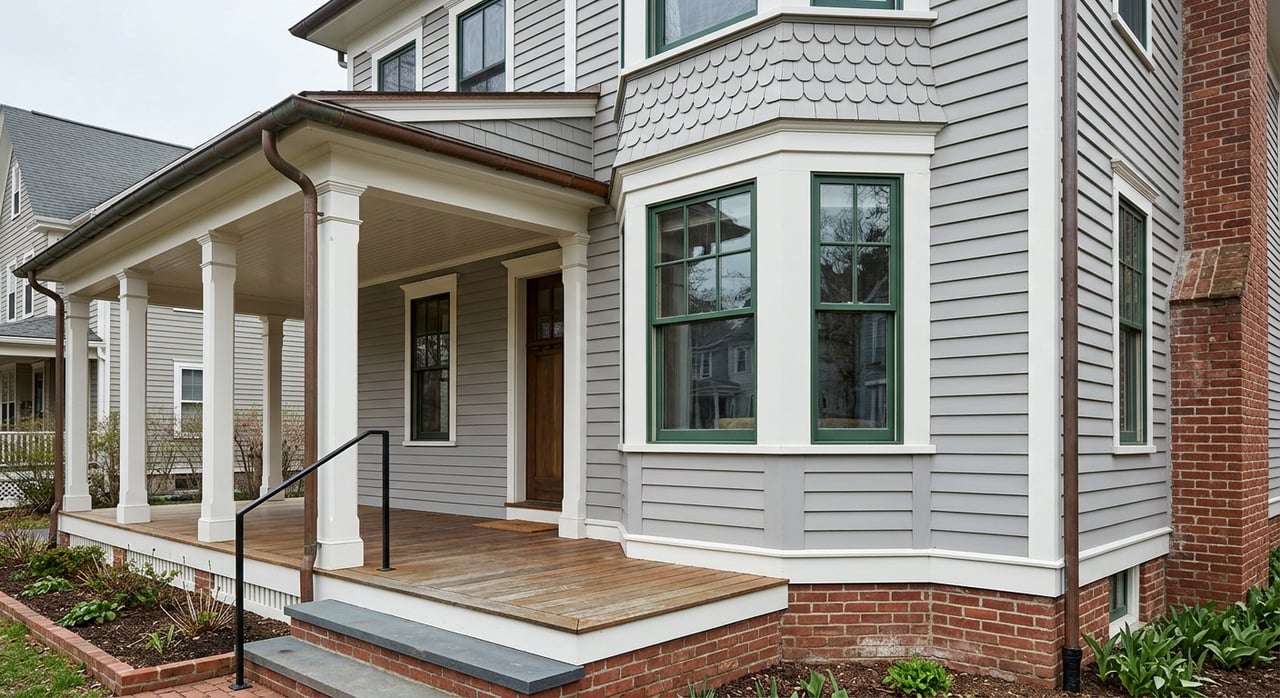
If you have ever wondered why one East Side home sparks a bidding rush while another sits a little longer, the answer often starts with history. On Providence’s East Side, older housing is not just part of the backdrop. It is a major force behind pricing, buyer expectations, renovation decisions, and resale potential. If you are buying or selling here, understanding how historic homes shape the market can help you make smarter decisions and avoid expensive surprises. Let’s dive in.
Why historic homes matter on the East Side
Providence’s East Side is known for its older, architecturally varied housing stock. According to the City of Providence, College Hill includes some of the city’s most distinguished historic architecture, ranging from early colonial buildings to early 20th-century three-family homes. Fox Point is also one of the city’s oldest neighborhoods and includes a mix of single-family and multi-unit properties.
Blackstone adds another layer to that story. Its late 19th-century growth produced architecturally distinctive single-family homes, while Stimson Avenue includes Queen Anne and Colonial Revival houses from the 1880s and 1890s. In practical terms, the East Side offers a broad mix of age, style, and layout rather than one standard housing product.
That variety helps explain why the East Side often behaves differently from newer suburban markets. Providence’s comprehensive plan notes that the city has eight local historic districts with roughly 2,600 properties, covering about 7% of the city’s land area, yet accounting for 13% of overall construction spending from late 2013 through the plan date. Scarcity, preservation rules, and continued reinvestment all play a role.
East Side pricing reflects historic appeal
Historic character does not guarantee a premium on its own, but the East Side clearly trades above Providence overall. Realtor.com’s May 2026 market summary shows a citywide median listing price of $450,000 and median days on market of 28. In the same summary, the East Side shows a median listing price of $749,000 and 20 days on market.
Redfin’s April 2026 East Side data tells a similar story. It reports a median sale price of $832,191 over the prior three months and 31 days on market. While exact figures vary by source and timeframe, the broader pattern is consistent: the East Side is a higher-priced market that still moves relatively quickly.
That said, the East Side is not one single market. Realtor.com reports median listing prices of about $1.1975 million in Blackstone, about $737,000 in College Hill, and about $461,000 in Fox Point. Days on market also vary, with Blackstone and College Hill around 18 days and Fox Point around 26 days.
Why micro-location still matters
Historic homes shape the market, but location within the East Side still matters a great deal. A well-kept home in Blackstone may attract a different buyer pool than a multi-family in Fox Point or a period property in College Hill. Price points, buyer priorities, and renovation expectations can shift block by block.
Condition also matters as much as character. Two homes may have similar age and architectural appeal, but the one with better-maintained windows, rooflines, porches, or exterior trim may create a much smoother transaction. Buyers often pay close attention to how original details have been preserved and how updates have been handled.
For sellers, this is where careful pricing and presentation become essential. Historic charm can absolutely attract attention, but the market still distinguishes between intact and deferred, updated and improvised, documented and uncertain. On the East Side, buyers usually notice the difference.
What buyers should expect from older homes
If you are shopping for a historic home on the East Side, your inspection mindset should be different from what it might be in a newer property. Older homes often come with richer detail and stronger architectural identity, but they also call for closer review. Age is part of the appeal, yet it also brings added responsibility.
Providence Historic District Commission standards highlight the exterior elements that matter most on historic buildings. These include roofs, exterior walls, windows and trim, doors and entries, porches, steps, stairs, railings, foundations, fences, storefronts, signage, and overall setting. Even if you are not planning immediate work, the condition of these features can affect future maintenance costs, financing discussions, and resale.
This is especially important on the East Side because many homes have been altered over time. Some updates may be well executed and fully documented, while others may raise questions during inspection or underwriting. A thoughtful review of both visible condition and past work can help you understand what you are really buying.
Lead is part of the conversation
In Rhode Island, lead is not a side issue when you are dealing with older housing. The Rhode Island Department of Health says most lead exposure in the state comes from homes built before 1978 because of lead-based paint and lead dust. On the East Side, where many homes predate that cutoff by decades, this is a standard part of due diligence.
The state advises homeowners to pay close attention to friction areas such as window frames, stair treads, and doors. Lead can also be present in peeling or chipping paint, dust from old paint, bare soil near the foundation, and tap water from lead pipes or solder. For buyers, that means lead concerns may affect how you evaluate repairs, renovations, and long-term upkeep.
Rhode Island also sets clear rules around renovation work. If a project disturbs 6 or more square feet inside or 20 or more square feet outside, the owner must hire a licensed Lead Renovation Firm. For exterior lead-paint work, owners must also provide 7 days’ written notice to neighbors within 50 feet.
For home sales, Rhode Island requires disclosure of known lead hazards, delivery of any lead inspection reports and the state and EPA booklet, plus a 10-day buyer testing period. If you are buying or selling an older East Side property, these are not small details. They are part of the transaction process.
Multi-family properties have added layers
The East Side includes a meaningful number of older two-family and three-family homes, especially in areas like Fox Point and parts of College Hill. That creates opportunity for owner-occupants and small investors, but it also adds another level of compliance for rental properties.
Rhode Island guidance says owners of pre-1978 rental properties must have a Certificate of Lead Conformance, and historic properties are not exempt. This applies to rental units, including accessory dwelling units and owner-occupied multifamily properties. Certificates are valid for two years, and rental properties must be registered annually.
If you are considering a multi-family purchase, it is important to understand both the charm and the obligations that come with older housing. Historic character may support long-term appeal, but compliance, maintenance, and documentation are all part of the ownership picture.
Renovation plans may need extra time
One of the biggest differences between a historic East Side home and a non-historic property is that exterior changes may be subject to review. Providence’s rules say that in a local historic district, any change affecting the exterior appearance of a structure or its appurtenances requires a Certificate of Appropriateness. This includes construction, alteration, repair, moving, demolition, and signage.
That review process matters because building permits for exterior work in local historic districts cannot be issued without that certificate. Major additions or substantial alterations may also require preliminary conceptual approval. An approved certificate also expires after one year if no permit or occupancy action follows.
For buyers, this means renovation planning should include extra time, clear documentation, and budget flexibility. For sellers, it helps explain why well-documented improvements can carry real weight in the market. Buyers want confidence that visible work was completed correctly and in line with local requirements.
Historic character can support value, but condition drives outcomes
A common assumption is that historic status automatically raises value. In reality, the East Side usually commands a premium, but the final number still depends on condition, location, and the quality of updates. Historic appeal may bring buyers in the door, but deferred maintenance can still slow momentum.
The current market data supports that broader point. East Side homes tend to list and sell at a premium compared with Providence as a whole, and Realtor.com reported that East Side homes sold for approximately asking price on average in March 2026. Still, that does not erase the importance of inspection issues, lead-related concerns, or renovation quality.
In many cases, the market rewards homes that preserve original character while also showing thoughtful upkeep. Clean documentation, appropriate repairs, and a clear maintenance story can reduce friction during negotiations. On the other hand, poorly executed replacements or unresolved exterior issues can make buyers more cautious.
What sellers can do before listing
If you are selling an older East Side home, preparation matters. Buyers are often drawn to original details, but they also want reassurance about condition and prior work. The more clearly you can tell the property’s maintenance and improvement story, the better.
Useful pre-listing materials often include:
- Permit records
- Renovation invoices
- Lead certificates, if applicable
- Documentation for windows, roofing, porches, masonry, or major systems
- Records showing exterior work was completed correctly
These materials can help buyers feel more confident and can make it easier to answer questions early. In a market where homes often trade quickly, clarity can be a real advantage.
What buyers should keep in mind
If you are buying on the East Side, historic charm should be part of your excitement, not the whole story. You also want to understand the condition of major exterior elements, possible lead concerns, and whether past updates appear consistent and well documented. Older homes can be wonderful long-term fits, but they benefit from careful evaluation.
It also helps to remember that there is no single East Side experience. A single-family home in Blackstone, a historic property in College Hill, and a multi-family in Fox Point can each involve different price points, timelines, and maintenance realities. Knowing how those differences affect your goals can lead to better decisions.
Historic homes are a big part of what makes the East Side special, and they are a big reason the housing market here stands apart. If you want calm, informed guidance as you buy or sell an older home in Providence, Erkkinen Cohen Group can help you navigate the details with clarity and confidence.
FAQs
How do historic homes affect East Side home prices?
- Historic homes help give the East Side its character and scarcity, and current market data shows the area commands a higher median listing price than Providence overall, though condition and location still shape the final price.
Do East Side historic homes sell quickly?
- Recent market snapshots show the East Side moving relatively fast, with median days on market lower than Providence overall, but timing still varies by micro-neighborhood, pricing, and condition.
Do Providence historic district homes need approval for exterior work?
- Yes. In local historic districts, exterior changes that affect appearance generally require a Certificate of Appropriateness before permits can be issued.
What lead issues should buyers expect in older East Side homes?
- Rhode Island says most lead exposure comes from homes built before 1978, so buyers should expect lead to be part of inspections, disclosures, and renovation planning for many older East Side properties.
Are East Side multi-family homes subject to different lead rules?
- Yes. Pre-1978 rental properties in Rhode Island must have a Certificate of Lead Conformance, and that applies even when the property is historic.
What documents help sellers market an older East Side home?
- Permit records, renovation invoices, lead-related paperwork, and documentation for major exterior or system updates can help buyers feel more confident about the property.
