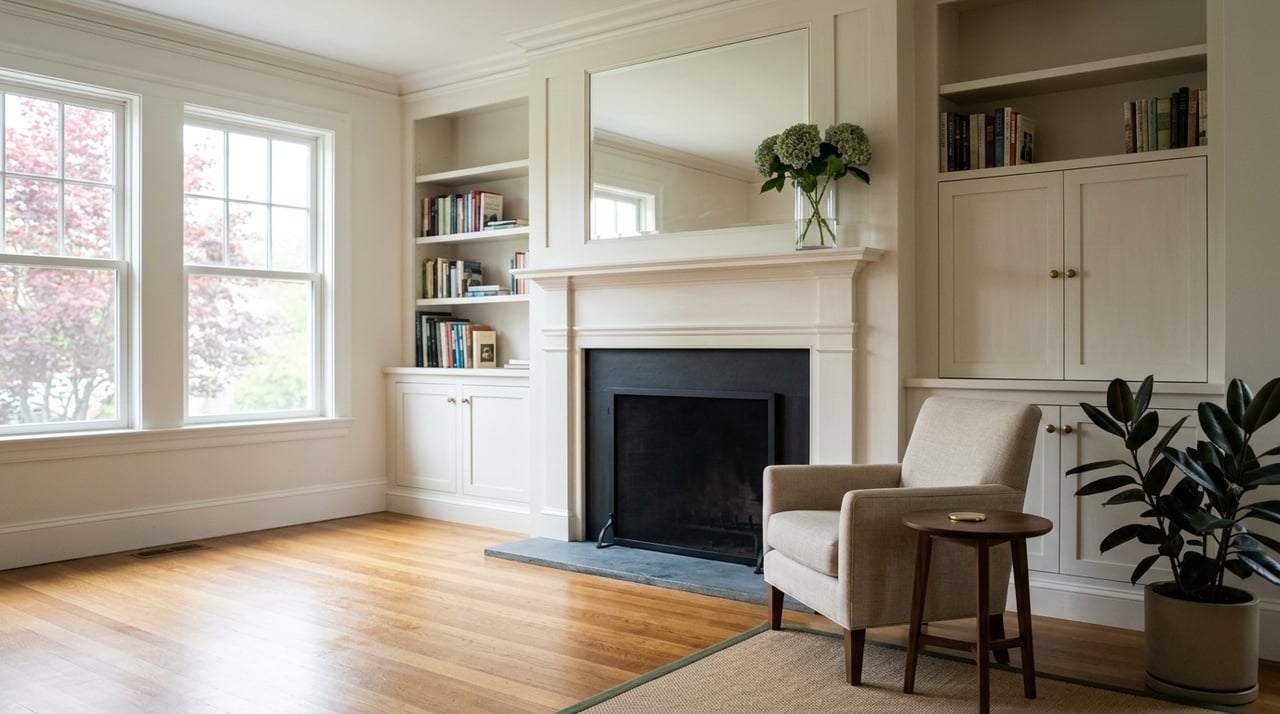
Wondering how to sell your East Side home without second-guessing every decision? If you own a home in this part of Providence, you are likely balancing price, timing, condition, and the unique character of an older property. The good news is that with the right preparation and a neighborhood-specific plan, you can move forward with more clarity and less stress. Let’s dive in.
Know the East Side Market
Providence’s East Side is not the same as the separate city of East Providence, and that distinction matters when you are pricing and marketing a home. On the East Side, the market sits at a higher price point than Providence overall, with a median listing price of $749,000, 20 median days on market, a 100% sale-to-list ratio, and 115 active for-sale listings.
That compares with a Providence citywide median listing price of $450,000 and 28 median days on market. In other words, East Side sellers are often working in a faster-moving, higher-value submarket where buyers tend to be very tuned in to location, condition, and presentation.
Price by Micro-Market, Not by City Average
One of the biggest mistakes a seller can make is treating the East Side like one single market. It is not. Pricing can vary sharply from one area to another, which is why neighborhood-level comparable sales matter far more than broad city averages.
Current listing data show just how different these micro-markets can be:
- Blackstone: $899,000 median listing price, 60 days on market
- Fox Point: $532,000 median listing price, 41 days on market
- College Hill: $575,000 median listing price, 94 days on market
- Wayland: $1,095,000 median listing price, 53 days on market
Those gaps show why a pricing strategy should reflect your specific block, housing type, condition, and buyer pool. A condo, multi-family, or single-family home will not attract the same response even within the same part of the East Side.
Highlight What Makes Older Homes Special
The East Side is known for its older and architecturally varied housing stock. According to the Rhode Island Historical Preservation & Heritage Commission, much of the area’s character comes from homes built between 1850 and 1910, along with later styles that shaped different sections of the neighborhood over time.
For you as a seller, that means buyers are often looking closely at original details, layout, room scale, and how well the home has been maintained. In many cases, thoughtful presentation works better than trying to make an older home feel overly modern.
Features Buyers Notice
If your home has period details, make sure they read clearly in photos and in person. That may include:
- Original millwork
- Hardwood floors
- Stair details
- Built-ins
- Fireplaces
- Window proportions
- Ceiling height
- Exterior architectural elements
These details can help your home stand out, especially when buyers are comparing multiple older properties with different levels of upkeep and renovation.
Focus on Smart Pre-List Improvements
You do not need to renovate everything before listing. In fact, East Side market guidance suggests that minor cosmetic updates like paint, fixtures, and landscaping typically offer a better payoff than major renovations, which may widen the buyer pool or shorten market time but do not always return their full cost.
That makes a practical prep strategy especially important. Start with visible maintenance issues, anything you may need to disclose, and any exterior work that may affect curb appeal.
Where to Spend First
Before listing, it often makes sense to prioritize:
- Fresh paint where needed
- Simple fixture updates
- Landscaping cleanup
- Deferred maintenance that buyers will notice quickly
- Exterior repairs that affect first impressions
- Safety or function issues tied to known defects
This approach helps buyers feel more confident in the home’s condition without pushing you into expensive projects that may not improve your bottom line.
Understand Rhode Island Disclosure Rules
Seller confidence comes from preparation, and that includes paperwork. Rhode Island law requires sellers of vacant land and 1-to-4 unit residential properties to provide a written disclosure of known deficient conditions.
That does not mean buyers should skip inspections. In fact, the statute specifically advises buyers not to rely only on the seller’s statement or forgo inspections. For sellers, the takeaway is simple: be organized, be honest, and be ready for buyers to evaluate condition carefully.
Lead Paint Rules for Pre-1978 Homes
If your home was built before 1978, there are additional lead-related requirements in Rhode Island. These include:
- The EPA lead pamphlet
- A lead warning statement
- Disclosure of known lead hazards
- A 10-day lead inspection period before the buyer becomes obligated
Because many East Side homes are older, this is a common part of the listing process. Handling it early can help reduce surprises once your home is under contract.
Check Historic District Rules Early
Providence is one of Rhode Island’s local historic-district-zoning communities. If your property is located in one of those districts, exterior changes may need review by the local historic district commission.
Interior changes and paint colors are not reviewed, but exterior work is. If you are planning to repair, replace, or refresh exterior elements before listing, it is wise to confirm what may require review before scheduling the work.
Expect a Quick Market, Then a Longer Closing
East Side homes are moving relatively quickly, with a median of 20 days on market. That can make the first few weeks feel intense, especially if your home is priced well and presented clearly from day one.
But getting a signed agreement is only part of the timeline. The closing phase can take several more weeks, depending on financing, signatures, inspections, and logistics. That means sellers should prepare for a fast contract phase followed by a slower path to the finish line.
Market to the Right Buyer Pool
Most East Side residential buildings are single-family homes, but the buyer pool is still diverse. Depending on the property, your home may appeal to owner-occupants, downsizers, relocators, condo buyers, or buyers looking at multi-family or rental potential.
Providence also has an active rental market, and East Side rental activity remains strong. That can keep some investor-oriented and house-hack buyers in the mix, particularly for condos and multi-family properties.
Why Targeted Marketing Matters
Because buyer motivations vary, your marketing should do more than show square footage and room count. It should help buyers understand:
- How the home lives day to day
- What condition items have been addressed
- Which original features have been preserved
- What type of opportunity the property offers
- Why the home’s location within the East Side matters
That kind of thoughtful positioning can improve both buyer response and the quality of offers you receive.
Negotiate for Net, Not Just Price
A strong sale is not only about the highest number on paper. In Rhode Island, inspections, lead compliance, closing costs, and timing can all affect your actual outcome.
East Side homes sold at about asking on average in May 2026, which supports a price-it-right-from-day-one strategy rather than testing the market with an inflated number and waiting for reductions. Clear communication matters too, especially since Rhode Island requires agents to disclose whether they represent the buyer, the seller, or both, and state rules require fair dealing with all parties.
Costs to Plan For
As you think about pricing, remember that seller costs affect your net proceeds. Rhode Island’s real estate conveyance tax is generally paid by the seller unless the parties agree otherwise, and residential sales over $800,000 are subject to an additional tax above that threshold.
That is another reason a smart pricing and negotiation strategy should look beyond list price alone. The best result is the one that balances price, terms, timeline, and fewer surprises.
Selling on the East Side with confidence comes down to local knowledge, realistic preparation, and steady guidance through each step. When your home is priced to its micro-market, presented to highlight its character, and supported by a clear disclosure and negotiation strategy, you put yourself in a much stronger position from the start.
If you are thinking about selling in Providence’s East Side, the Erkkinen Cohen Group offers the calm, local, detail-oriented guidance that can help you move forward with clarity.
FAQs
What makes selling a home on Providence’s East Side different?
- The East Side is a higher-value, neighborhood-specific market with older housing stock, varied architecture, and significant price differences between areas like Blackstone, Fox Point, College Hill, and Wayland.
How fast do homes sell on Providence’s East Side?
- Current market data show a median of 20 days on market for the East Side, although timing can vary based on pricing, property type, condition, and location within the neighborhood.
What should you fix before listing an East Side home?
- Focus first on visible maintenance, cosmetic updates like paint and fixtures, landscaping, and any known condition issues that may come up in disclosure or inspection.
Do older East Side homes need lead paint disclosures?
- Yes, if the home was built before 1978, Rhode Island requires lead-related disclosures, a lead warning statement, the EPA pamphlet, and a 10-day lead inspection period before the buyer is obligated.
Do exterior updates on East Side homes need historic review?
- If the property is in a local historic district, exterior changes may require review by the local historic district commission, so it is best to check early before starting outside work.
Should you price an East Side home above market to leave room to negotiate?
- Current data showing a 100% sale-to-list ratio support a priced-right-from-day-one strategy rather than overpricing and hoping to adjust later.
