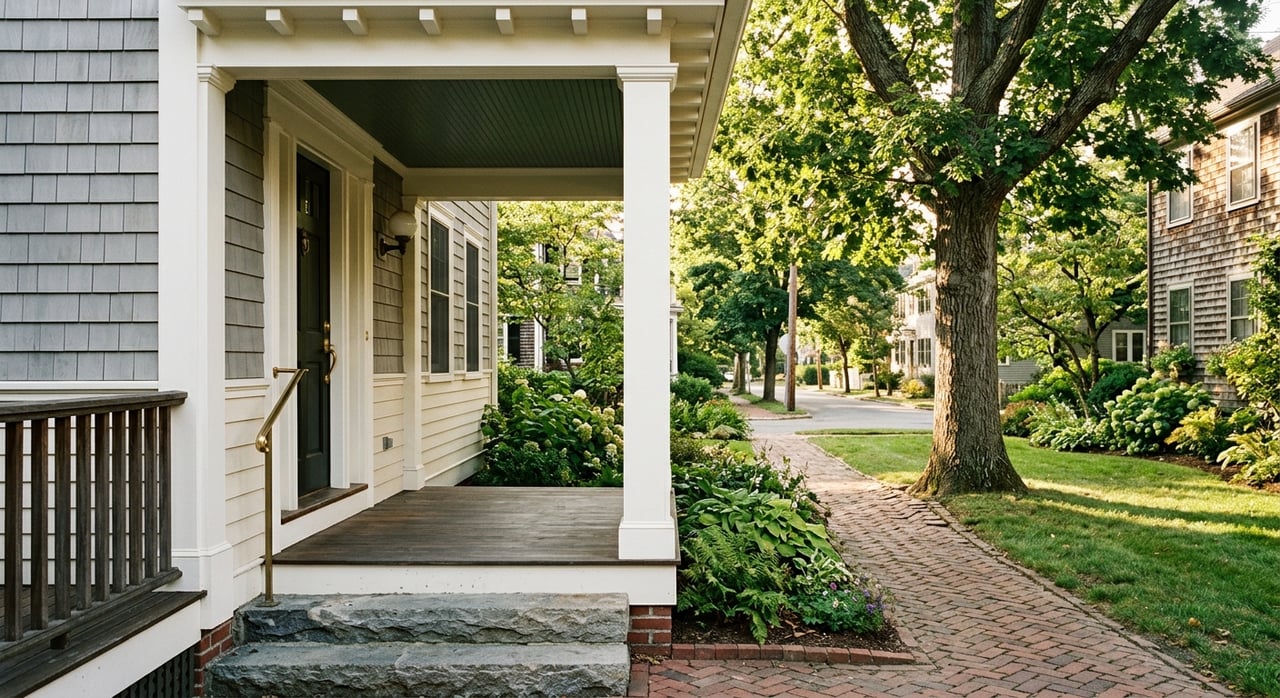
Want a neighborhood where coffee, groceries, a park stroll, and dinner can all fit into one easy routine? Providence’s East Side is one of the city’s clearest examples of that kind of daily life. If you are thinking about moving here, this guide will help you understand how walkable living really works, which areas shape the day-to-day experience, and what kinds of homes tend to match that lifestyle. Let’s dive in.
What walkable living means here
On Providence’s East Side, walkable living usually means car-light, not fully car-free. Local sources describe the area as a mix of residential neighborhoods, shopping streets, and institutional destinations that often sit within walking distance of each other.
That matters because your daily routine may feel easier here even if you still use transit, a bike, or a car sometimes. Brown and RISD both describe the East Side as a place where housing, groceries, cafes, restaurants, and campus-related destinations can often be reached on foot.
In everyday terms, the East Side usually includes College Hill, Thayer Street, Fox Point, Wayland Square, Mount Hope, Blackstone, Wickenden Street, and the Hope Street area. These areas do not all feel the same, but together they create a network of neighborhoods where many errands and social plans can happen close to home.
East Side corridors that shape daily life
Hope Street and Summit
If you want a neighborhood rhythm built around small businesses and regular foot traffic, Hope Street and Summit stand out. GoProvidence describes this stretch as having the highest concentration of independently owned businesses in Providence, along with historic houses, restaurants, cafes, and small shops.
This is also one of the strongest examples of practical neighborhood living. You can picture a Saturday farmers market at Lippitt Park, a stop at a cafe, and a walk or bike ride along nearby Blackstone Boulevard, all without turning the day into a major outing.
Seasonal events also help this area feel active and connected. That kind of routine can be especially appealing if you want your neighborhood to offer more than just a place to sleep.
Thayer Street
Thayer Street is one of the East Side’s busiest commercial areas. It is known for dining, browsing, coffee stops, and a steady stream of foot traffic.
For daily life, Thayer works best as a place for quick convenience. It is where you might grab lunch, meet a friend, pick up a few items, or enjoy an easy evening out that ends with a short walk home.
It also has bike-friendly features, including racks and a repair station. That adds to the sense that getting around here can be flexible, even if you are not relying on a car for every errand.
Wayland Square
Wayland Square feels more like a village center. It offers shops, boutiques, cafes, browsing, and the kind of casual convenience that can support everyday life without a lot of planning.
Brown’s materials place it within the East Side’s walking-distance network, and that framing fits. You may still drive for some needs, but the appeal here is being able to step out for coffee, a quick purchase, or a neighborhood walk without making it a whole trip.
Wayland Square also shows the East Side tradeoff clearly. It is walkable and convenient, but it still includes metered on-street parking rather than unlimited easy parking.
Fox Point and Wickenden
Fox Point and Wickenden offer a different version of walkable living. The feel is relaxed, neighborhood-based, and connected to both local businesses and the waterfront.
GoProvidence highlights cafes, coffee shops, neighborhood parks, and community playgrounds here. The area’s link to India Point Park and the East Bay Bike Path also gives it a strong outdoor advantage.
If your ideal routine includes walking to coffee and then heading toward the water or bike path, Fox Point often fits that picture well. It combines neighborhood streets with access to some of the East Side’s most useful recreation spaces.
Parks and outdoor routes that matter
Walkability is not only about stores and restaurants. On the East Side, outdoor access is a big part of what makes daily life feel full and convenient.
Blackstone Boulevard
Providence planning materials describe Blackstone Boulevard as a major pedestrian amenity, and one city report calls it the most heavily used walking path in Providence. That tells you a lot about how people actually use the neighborhood.
For many residents, this is not just a scenic extra. It is part of the weekly routine for walks, runs, dog outings, and fresh air close to home.
India Point Park and East Bay Bike Path
The East Bay Bike Path starts at India Point Park in Providence and runs 14.5 miles to Independence Park in Bristol, passing multiple parks and recreation areas along the way. That gives East Side residents access to a longer recreational route that feels tied into neighborhood life.
This is especially relevant in Fox Point, where waterfront access and neighborhood streets connect in a practical way. You can move from a local block to shoreline views and bike infrastructure without much effort.
Prospect Terrace
Prospect Terrace offers another kind of outdoor experience. The city describes it as an East Side park overlooking downtown, with the Roger Williams monument and year-round neighborhood activity.
It is a good reminder that East Side living can mix practical convenience with moments that feel distinctly Providence. Even a short walk can bring you to a park with a bigger sense of place.
Culture within reach
One of the East Side’s biggest lifestyle strengths is that culture can be part of your normal week, not just a special event.
RISD describes its museum as a regional destination with about 100,000 works and a major public program. The Providence Athenæum, on historic Benefit Street, describes itself as an independent, member-supported library that is open to all.
Brown also notes that the East Side sits within a broader arts-rich city with many music, theater, and arts venues. If you value being able to fold museums, libraries, and performances into regular life, this area offers that kind of access.
Housing and price context
The East Side is not one single housing market, and that is important to understand before you start your search.
Providence planning materials describe College Hill as primarily residential and known for its historic architecture. Wayland is noted for early- to mid-20th-century residential character and a significant concentration of apartment buildings. Blackstone is described as having mostly medium- to large-sized single-family dwellings, while Fox Point includes historic homes alongside retail and other mixed uses.
In practical terms, that means your walkable lifestyle options may vary a lot by neighborhood and block. Homes near commercial corridors often line up best with a more on-foot daily routine, while larger single-family homes may sit deeper in residential areas.
As of June 2026, Realtor.com places the East Side median listing price at $829,000, with a median rent of about $2,250 per month and 129 active listings. Its neighborhood breakdown shows approximate median listing prices of $457,000 in Fox Point, $749,000 in College Hill, $995,000 in Wayland, and $1.242 million in Blackstone.
Redfin’s May 2026 snapshot estimates East Side home values at $919,191 and describes the market as very competitive, with homes selling in about 24.5 days. For buyers, that can mean balancing lifestyle goals with timing and budget. For sellers, it reinforces the value of clear positioning and strong preparation.
Which homes best support walkable living
If walkability is high on your list, the strongest fit is often found near the East Side’s commercial corridors. Based on neighborhood plans and current market patterns, that usually means apartments, condos, multifamily homes, and smaller attached homes close to places like Hope Street, Wickenden, Thayer, or Wayland Square.
That does not mean larger homes are disconnected. It simply means the most convenient on-foot routines often come from being closer to the streets where errands, dining, and services cluster.
This is where tradeoffs matter. You may choose a smaller home with easier access to daily destinations, or a larger home on a quieter residential block with a slightly longer walk to the neighborhood center.
How to choose the right East Side fit
The East Side works best when you match the neighborhood to your real routine, not just your wish list. Before you move, it helps to think through how you actually want your days to unfold.
Ask yourself questions like:
- Do you want coffee shops and restaurants right outside your door?
- Do you care more about park access or retail access?
- Would you rather be near the waterfront, a village-style square, or a busy commercial street?
- Are you comfortable with the reality of metered or permit parking?
- Do you want a condo or apartment near activity, or a single-family home on a quieter block?
Those answers can quickly point you toward Fox Point, Hope Street, Wayland Square, Thayer, or another East Side pocket. The goal is not to find the "best" area. It is to find the one that fits your version of daily life.
If you are weighing that decision, a local perspective can make the process much easier. The East Side has real variety in housing, pricing, and street-by-street feel, and those details matter when you are trying to balance budget, commute, and lifestyle. If you want help sorting through Providence options with calm, candid guidance, reach out to the Erkkinen Cohen Group.
FAQs
What does walkable living on Providence’s East Side really mean?
- It usually means a car-light lifestyle where many daily needs like coffee, groceries, parks, and dining can be within walking distance, even though transit, biking, and some driving still play a role.
Which Providence East Side areas feel most walkable day to day?
- Hope Street, Thayer Street, Wayland Square, and Fox Point/Wickenden are among the clearest examples of compact East Side corridors with everyday destinations close together.
Is Providence’s East Side fully car-free?
- No. Local sources suggest the area functions better as car-light than car-free because residents still use bikes, RIPTA, metered parking, and permit parking.
What parks and outdoor spaces support East Side walkability?
- Blackstone Boulevard, India Point Park, the East Bay Bike Path, and Prospect Terrace all add useful walking, recreation, and outdoor access to daily life on the East Side.
What types of homes fit a walkable East Side lifestyle?
- Apartments, condos, multifamily homes, and smaller attached homes near commercial streets often align best with walkable living, while larger single-family homes are often set farther into residential blocks.
What are Providence East Side home prices like?
- As of June 2026, Realtor.com reported a median East Side listing price of $829,000, with neighborhood medians ranging from about $457,000 in Fox Point to about $1.242 million in Blackstone.
