If you are drawn to historic streets, neighborhood cafés, and the kind of city living where a quick errand can turn into a walk through a park or past landmark architecture, Providence’s East Side probably already has your attention. It is one of those areas that feels distinctive right away, but it is also more varied than many buyers expect. If you are thinking about moving here, this guide will help you understand the neighborhoods, housing, walkability, and everyday tradeoffs that shape life on the East Side. Let’s dive in.
What defines the East Side
Providence’s East Side is not one single uniform neighborhood. It is better understood as a cluster of adjacent areas east of downtown, especially College Hill and Benefit Street, Wayland, Hope and Summit, and Fox Point with Wickenden.
What ties these areas together is a mix of historic housing, walkable commercial streets, major cultural institutions, and a residential feel that still stays connected to city life. Brown University, RISD, museums, parks, and local business corridors all help shape the area’s identity.
In practical terms, the East Side often feels residential first, with busier pockets where you handle daily routines. You get quieter side streets, active retail corridors, and a strong sense that the neighborhood is lived in, not staged for visitors.
East Side neighborhoods at a glance
College Hill and Benefit Street
College Hill is the historic and institutional core of the East Side. This is where you find Brown, RISD, museums, and some of Providence’s best-known historic architecture concentrated close together.
The area feels especially rich in character, but it also comes with hills, older homes, and a denser urban pattern. If you want a neighborhood where history and culture are part of daily life, College Hill often stands out.
Hope and Summit
Hope and Summit center around the Hope Street corridor, which is known for its strong base of independently owned businesses. The area has an everyday neighborhood feel, with shops, restaurants, and access to parks woven into daily routines.
This part of the East Side can feel especially convenient if you value local businesses and short trips on foot. It has energy, but it usually reads as neighborhood-oriented rather than overly busy.
Wayland
Wayland Square functions as a classic neighborhood center with a traditional New England feel. It blends boutiques, cafés, books, home goods, and restaurants with a surrounding residential setting.
For many buyers, Wayland offers a nice middle ground. It feels connected and convenient, but still distinctly residential once you move off the main commercial streets.
Fox Point and Wickenden
Fox Point and the Wickenden area tend to feel more eclectic and waterfront-adjacent. This part of the East Side mixes restaurants, coffee shops, vintage retail, parks, and easy pedestrian or bike connections.
There is a more mixed urban feel here, with strong access to the river and downtown connections. If you want an East Side location that feels lively and immediate, Fox Point often delivers that.
What daily life feels like
One of the biggest reasons people are drawn to the East Side is how easy it can be to build daily routines around neighborhood anchors. Depending on where you live, you may be close to cafés, small shops, parks, museums, or weekend farmers market stops.
The area feels culturally dense without being uniformly hectic. Residential blocks can be quiet and tree-lined, while nearby corridors stay active with people heading to dinner, grabbing coffee, or running errands.
That balance is part of the appeal. You are not choosing between fully urban and fully suburban. In many parts of the East Side, you get a layered version of city living that feels more personal and neighborhood-based.
Walkability depends on the block
The East Side is often described as walkable, and that is true, but the experience varies by neighborhood. Walk Score places Fox Point at 94, College Hill at 91, Wayland at 86, Hope at 79, and Blackstone at 69, compared with Providence overall at 76.
That range matters if you are deciding where to live. Some areas feel close to a walker’s paradise, while others are better described as very walkable but still shaped by parking, transit, or occasional car use.
Topography and street layout also affect the experience. College Hill includes steep grades, Fox Point is denser and more mixed-use, and Wayland Square feels like a neighborhood center embedded within a broader residential area.
What that means for your routine
If you live near Hope Street, Wayland Square, College Hill, or Fox Point, many errands can happen on foot. Coffee, dining, small shopping trips, and access to green space may all be nearby.
At the same time, parking remains part of life on the East Side. Some areas have limited on-street metered parking, and certain commercial pockets are easier than others if you rely on a car regularly.
Transit and bike access are part of the picture too. Fox Point has strong connections to downtown, and the Van Leesten Memorial Bridge adds a direct pedestrian link across the Providence River.
Housing has real character
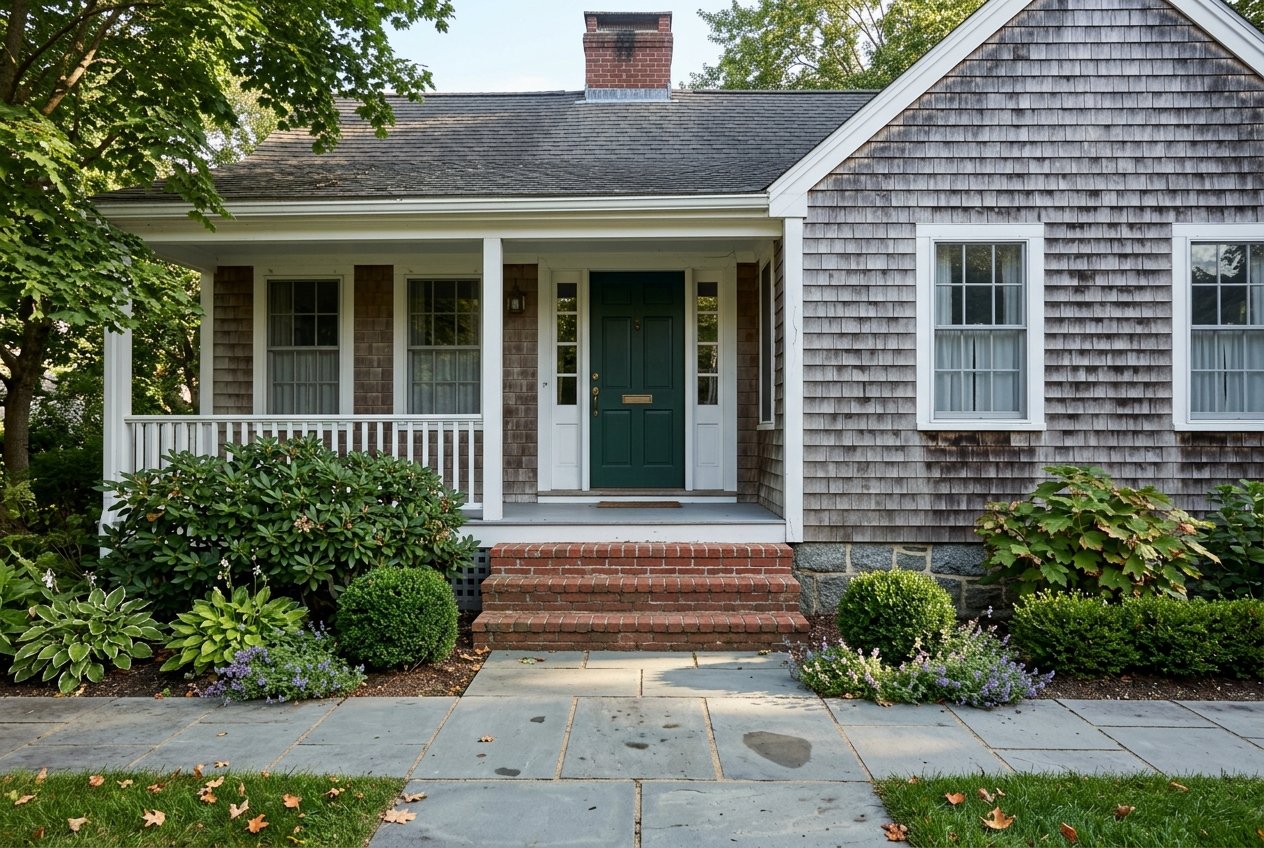
The East Side’s housing stock is one of its strongest draws. The Rhode Island Historical Preservation & Heritage Commission describes it as one of the state’s premier residential areas, with much of its character shaped by homes built between 1850 and 1910.
What makes the area memorable is not just the individual houses, but the full streetscape. Many blocks feature large homes, generous setbacks, broad lawns, sidewalks separated by landscaped verges, and mature trees along wide streets.
If you love older homes, this can be a huge part of the appeal. The East Side feels architecturally rich in a way that is hard to replicate in newer neighborhoods.
Architectural styles you will see
The architecture across the East Side is notably varied. Depending on the block, you may see Greek Revival, Italianate, Second Empire, Mansard, Queen Anne, Colonial Revival, Modern Gothic, and Modern Colonial influences.
College Hill includes architecture from the colonial era through early 20th-century triple-deckers. Other areas, such as parts of Hope, Olney, Doyle, and Stimson Avenue, show especially strong examples of later 19th-century and early 20th-century residential styles.
This variety means buyers often need to look beyond broad neighborhood labels. Two homes just a few blocks apart can offer very different layouts, upkeep needs, and renovation histories.
Older homes bring tradeoffs
Historic character is a major selling point on the East Side, but it also comes with responsibilities. Many properties are older, some were individually designed, and multiple-family homes are part of the housing mix.
That means condition, maintenance, and renovation planning matter. If you are buying, it helps to look closely at systems, exterior upkeep, and how past updates fit the age and structure of the home.
If you are selling, those same details shape presentation and pricing. Older homes often have wonderful character, but buyers usually respond best when the home’s quirks and strengths are explained clearly and honestly.
Historic district considerations
Some East Side blocks are protected by local historic district rules. In Providence, properties in local historic districts cannot be altered without review and approval by the Providence Historic District Commission.
That does not make ownership harder by default, but it does mean exterior changes may involve another layer of review. For buyers who want to renovate, and sellers preparing a home for market, this is an important practical detail.
In the East Side I-195 overlay district near the Fox Point riverfront, the city also favors urban block structure, continuous frontages, and pedestrian-oriented development. That planning context helps shape how parts of the area continue to evolve.
Parks, culture, and neighborhood anchors
The East Side offers a strong mix of green space and cultural destinations. In College Hill, places like the RISD Museum, the Providence Athenaeum, the John Brown House Museum, and Prospect Terrace Park add depth to everyday life.
In Hope and Summit, local business activity and the Hope Street Farmers Market at Lippitt Memorial Park help create a neighborhood rhythm. Thayer Street also adds another active corridor with a large concentration of businesses serving both residents and the nearby campus community.
Wayland offers easy access to Blackstone Park Conservation District, a 45-acre natural woodland with ponds, meadow areas, and parkland. Fox Point adds neighborhood parks, playgrounds, India Point Park, and strong waterfront connections.
Recreation and movement
Blackstone Boulevard is one of the area’s most recognizable recreational corridors, with both a bike lane and a walking path. It is a meaningful asset if you want easy access to outdoor movement without leaving the neighborhood.
The East Side also benefits from a mix of older and newer connections. The pedestrian bridge opened in 2019 strengthened the link between Fox Point and the area across the river, and the city is planning broader neighborhood greenways and multimodal improvements.
For many residents, these details matter just as much as restaurants or architecture. They shape how easy it feels to walk, bike, or spend time outdoors as part of your normal week.
Who tends to love living here
The East Side often appeals to people who want neighborhood texture and housing with real personality. If you value local business districts, historic streetscapes, and the ability to mix quiet residential blocks with city conveniences, this area checks a lot of boxes.
It can also be a strong fit if you are comfortable with the realities of older homes. Character, preservation, and walkability are real advantages here, but they tend to come with tradeoffs like upkeep, parking limitations, and block-by-block differences in feel.
That is why the East Side is rarely a one-size-fits-all decision. The best fit usually comes down to which pocket matches your routine, your housing preferences, and how you want daily life to feel.
What buyers and sellers should keep in mind
If you are buying on the East Side, it helps to compare neighborhoods at a finer level than just the area name. Walkability, architectural style, parking, topography, and historic district rules can shift quickly from one section to the next.
If you are selling, it is worth remembering that buyers are often drawn to the East Side for its specific character. Presentation matters, especially when a home has distinctive architecture, older features, or a location tied closely to a known corridor like Hope Street, Wayland Square, or Fox Point.
Whether you are entering the market as a first-time buyer, a move-up seller, or someone relocating to Providence, local context matters here. The East Side rewards a thoughtful approach because so much of its value is tied to nuance.
If you are thinking about buying or selling on Providence’s East Side, the Erkkinen Cohen Group brings calm guidance, deep local knowledge, and the kind of honest advice that helps you make confident decisions.
FAQs
What is Providence’s East Side known for?
- Providence’s East Side is known for historic housing, walkable neighborhood centers, cultural institutions, parks, and distinct pockets like College Hill, Hope and Summit, Wayland, and Fox Point.
Is Providence’s East Side walkable?
- Yes, many parts of the East Side are very walkable, but the experience depends on the neighborhood and even the specific block, with Fox Point and College Hill scoring especially high for walkability.
What kind of homes are common on Providence’s East Side?
- The East Side is known for older housing stock and varied architecture, including colonial-era buildings, Queen Anne homes, Colonial Revival homes, triple-deckers, and other 19th-century and early 20th-century styles.
Are there historic district rules on Providence’s East Side?
- Yes, some East Side properties are in local historic districts, and exterior changes on those properties require review and approval by the Providence Historic District Commission.
What are the main neighborhood areas on Providence’s East Side?
- The main East Side areas commonly include College Hill and Benefit Street, Hope and Summit, Wayland, and Fox Point with Wickenden.
What should buyers consider before moving to Providence’s East Side?
- Buyers should look closely at block-level walkability, parking, hills, housing condition, maintenance needs, and whether a property falls within a local historic district.
